
The toddler years, broadly spanning ages one to three, are a period of remarkable growth and change. During this time, children develop new physical, cognitive, language and social-emotional skills. Understanding common milestones can help parents and carers support their child, although every child develops at their own pace.
Milestones should be treated as a general guide rather than a checklist or deadline. Children may gain skills earlier or later than the age ranges shown below.
Physical Development
Gross motor skills:
- 12–18 months: Many toddlers begin walking independently, moving around furniture and navigating steps with support. Safe opportunities to explore can help build confidence and coordination.
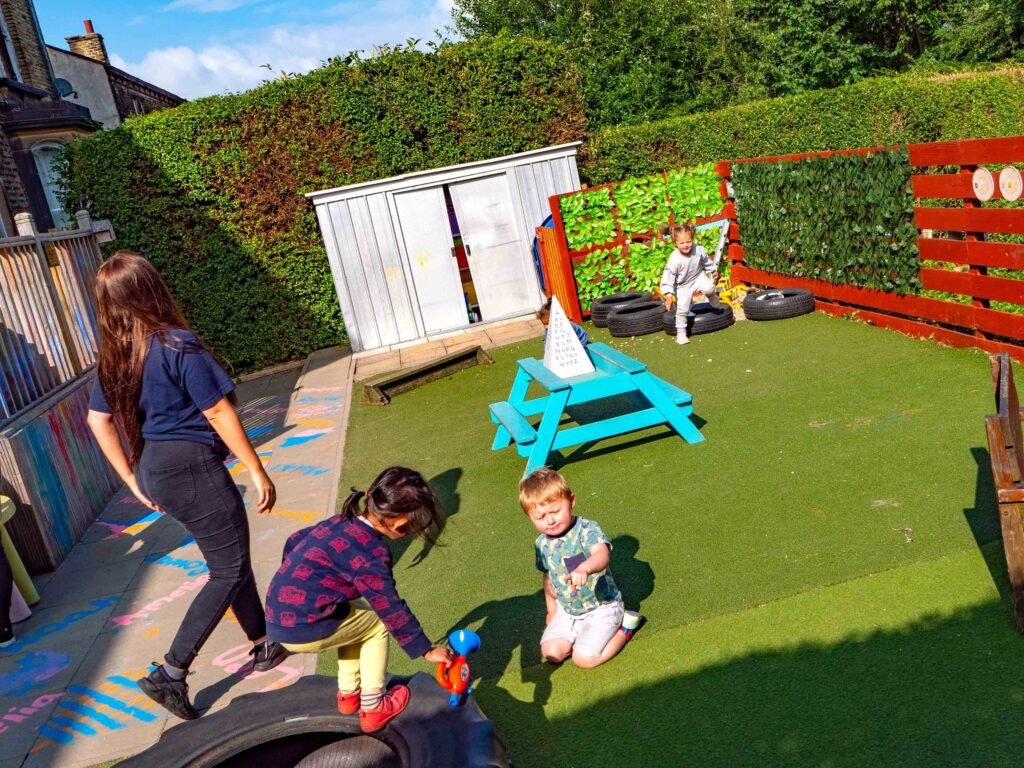
- 18–24 months: Balance and movement may develop further, with children beginning to run, climb and kick a ball. Active play provides opportunities to practise these emerging skills.
- 24–36 months: Children may begin jumping, standing briefly on tiptoes and attempting activities such as pedalling. Dancing, climbing and simple obstacle courses can support coordination.
Fine motor skills:
- 12–18 months: Children may pick up small objects using their fingers and thumb, scribble with crayons and help turn pages in books. Offering safe objects to hold and explore can support these skills.
- 18–24 months: Toddlers may stack blocks, begin using a spoon and help with simple dressing tasks. Encouraging safe attempts at self-feeding can help build independence.
- 24–36 months: Children may make marks and simple shapes, manipulate playdough and complete basic puzzles. Creative materials provide opportunities to develop control and coordination.
Cognitive Development
- 12–18 months: Children may recognise familiar people and objects, respond to simple requests and begin solving basic problems through play.
- 18–24 months: Toddlers may identify familiar body parts, explore cause and effect and begin matching or sorting objects.
- 24–36 months: Pretend play often becomes more detailed. Children may remember parts of familiar stories and begin understanding simple time words such as “now” and “later”.
Reading together, completing simple puzzles and offering open-ended play materials can encourage curiosity and problem-solving. You can see examples of our learning environments on the Explore Nursery page.
Language Development
- 12–18 months: Children may use a small number of familiar words, respond to their name and understand simple instructions supported by gestures.
- 18–24 months: Vocabulary often grows, and some children begin putting two words together. They may also point to familiar objects or pictures when named.
- 24–36 months: Children may begin using short sentences, asking questions and using a wider range of words to express themselves.
Talking throughout the day, sharing books, singing songs and allowing time for a child to respond can all support communication. The NHS also provides guidance on supporting early language development.
Social and Emotional Development
- 12–18 months: Toddlers may show separation anxiety, seek reassurance from familiar adults and enjoy interactive games such as peek-a-boo.
- 18–24 months: Children often show a growing desire for independence and may play alongside, rather than directly with, other children.
- 24–36 months: Children may begin showing concern for others, taking turns with support and developing more detailed pretend play.
Warm relationships, predictable routines and calm boundaries help toddlers feel secure as they learn to understand their emotions and interact with others.
Supporting Your Toddler’s Development
- Encourage exploration: Provide safe opportunities for your toddler to move, investigate and practise new skills.
- Support communication: Talk about everyday activities, name objects, share books and give your child time to respond.
- Promote play: Offer activities that support different areas of development, including blocks, puzzles, pretend play, music and outdoor movement.
- Establish routines: Familiar daily patterns can help toddlers feel secure and understand what will happen next.
- Be patient: Celebrate progress without comparing your child with siblings or other children.
Our Kanga’s rooms are designed to support toddlers as they develop confidence, communication, movement and independence through play.
When to Ask for Guidance
Development varies considerably between children. However, speak to your health visitor or GP if you are worried about any aspect of your child’s development, including movement, communication, hearing, vision, interaction or behaviour.
It is particularly important to seek advice if your child loses skills they previously had. You do not need to wait for a scheduled developmental review before asking for support.
By offering a nurturing environment with opportunities for movement, communication, creativity and play, parents and early years practitioners can help toddlers develop at their own pace.
To learn more about how Hunny Pot Nursery supports toddler development, book a nursery tour.
Pingback: Nursery Age: When Can My Child Start Nursery?