
Health and safety in a nursery is extremely important because early years settings are responsible for caring for young children who may not yet recognise hazards for themselves.
Nurseries contain many opportunities for play, movement and exploration. These experiences support children’s development, but providers must identify significant risks and take sensible steps to manage them.
The Health and Safety at Work etc. Act 1974 applies to nursery settings as workplaces. Providers must also meet the safeguarding and welfare requirements in the Early Years Foundation Stage statutory framework.
For parents, understanding these responsibilities can provide reassurance that a nursery has clear procedures for protecting children, staff and visitors.
What Is the Purpose of Health and Safety Legislation?
Health and safety law helps employers identify hazards, assess risks and introduce reasonable precautions. In an early years setting, this includes:
- Protecting the health, safety and welfare of staff, children and visitors.
- Maintaining safe and suitable premises, equipment and play areas.
- Storing medicines, cleaning products and other potentially harmful substances safely.
- Providing appropriate information, training and supervision for staff.
- Recording and responding appropriately to accidents, incidents and hazards.
The aim is not to prevent all activity or remove every possible risk. Children need opportunities to move, explore and learn. The nursery’s role is to manage risks sensibly while preserving the benefits of play.
Responsibilities of an Early Years Provider
Nursery owners and managers are responsible for establishing suitable health and safety arrangements. These commonly include:
- Maintaining suitable policies and procedures.
- Carrying out and reviewing risk assessments.
- Providing staff with appropriate training, information and equipment.
- Ensuring suitable paediatric first-aid arrangements are in place.
- Recording accidents and reporting specified incidents where legally required.
- Keeping premises, furnishings, outdoor areas and equipment in suitable condition.
Employees also have responsibilities. They must follow procedures, use equipment correctly, attend relevant training and report concerns promptly.
EYFS Health, Safety and Welfare Requirements
The EYFS framework sets mandatory standards for registered early years providers in England. Its safeguarding and welfare requirements cover areas including:
- Safeguarding and child protection.
- Suitable people and safer recruitment.
- Staff qualifications, training and supervision.
- Paediatric first aid.
- Managing children’s behaviour safely.
- Medicines, illness, food, drinking water and hygiene.
- Suitable premises, equipment and risk assessments.
- Emergency procedures and required records.
How Nursery Risk Assessments Work
A risk assessment identifies hazards, considers who may be harmed and determines what precautions are needed. It should reflect the actual setting and activities rather than relying on a generic checklist.
Risk assessments may cover rooms, gardens, outings, equipment, food preparation, hazardous substances and activities that present particular risks. Arrangements should be reviewed when circumstances change or when an incident shows that improvements may be needed.
Parents also contribute to a secure environment by following entry procedures, closing gates and doors, not allowing unknown people into the building and reporting anything that concerns them.
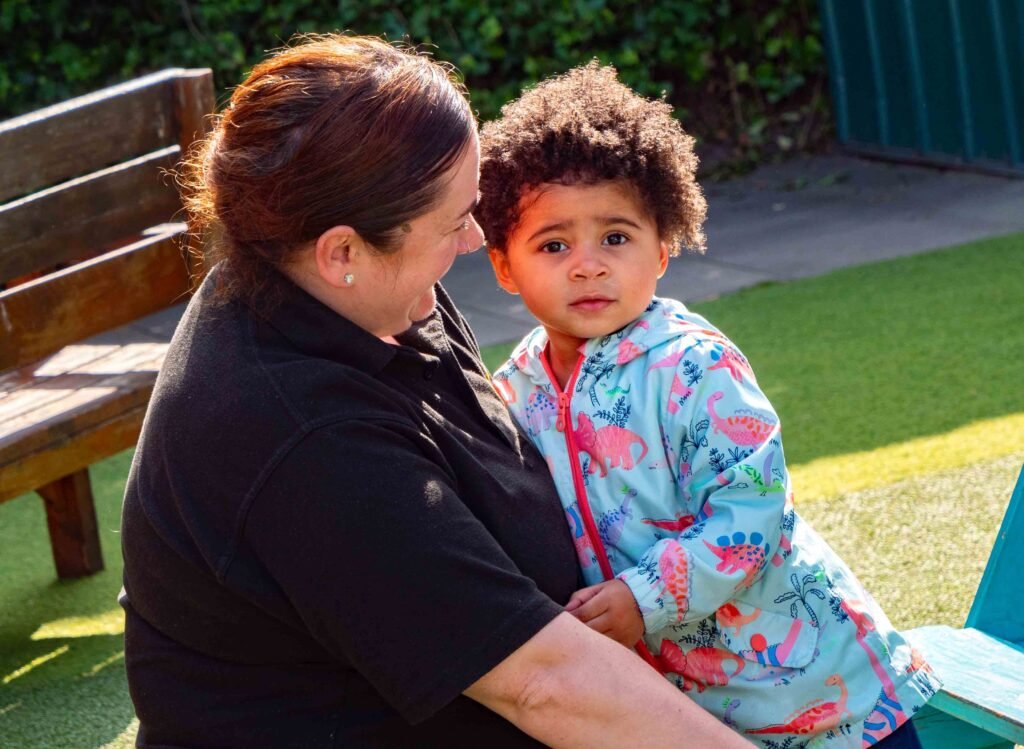
Safeguarding Children
Safeguarding extends beyond preventing physical accidents. It includes protecting children from abuse and neglect, responding to concerns, checking the suitability of adults and promoting children’s welfare.
Providers must have safeguarding policies and procedures and ensure staff understand how to recognise, record and report concerns. They must also work with the appropriate safeguarding partners and other professionals when necessary.
Positive relationships, inclusive practice and suitable environments also support children’s welfare. Read more about inclusive practice in early years.
Hygiene, Illness and Medication
Nurseries should maintain appropriate standards of cleanliness and hygiene to help reduce the spread of infection. For example, this includes suitable handwashing, cleaning, nappy-changing and food-handling procedures.
In addition, providers must have clear arrangements for children who become unwell and for administering medicines. Information about medical needs, allergies and medication should also be shared securely with the relevant staff.
Finally, fresh drinking water must be available, and food must be suitable for each child’s dietary requirements. You can learn more about food at Hunny Pot Nursery on Our Menus page.
Safe Movement Around the Nursery
Slips and trips are common workplace hazards, so nurseries should keep circulation routes safe and respond promptly to spillages or damaged flooring.
- Floors and steps should be kept in suitable condition.
- Walkways, entrances and emergency routes should remain clear.
- Rooms should have suitable lighting.
- Trailing cables and unsecured items should be avoided.
- Spillages should be dealt with promptly.
- Outdoor areas should be checked for damage or harmful objects.
Furniture, Fittings and Windows
Furniture and equipment should be appropriate for their intended use, maintained properly and checked for damage. Heavy or freestanding items should be secured where there is a foreseeable risk of tipping.
Hot surfaces should be managed to reduce the risk of burns. Windows, particularly on upper floors, should have appropriate safeguards while still allowing adults to operate them when needed.
Electrical Safety
Electrical equipment should be suitable, maintained and kept away from children where necessary. Damaged cables, plugs or appliances should be removed from use until repaired or replaced.
Standard UK electrical sockets contain built-in safety shutters. Plug-in socket inserts should not be treated as a general safety requirement because unsuitable products may interfere with those safety features. The focus should instead be on maintaining sockets, managing cables and preventing children from accessing electrical equipment.
Fire Safety and Emergency Procedures
Early years settings should assess fire risks and maintain suitable emergency arrangements. These may include:
- Clearly identified and unobstructed escape routes.
- Suitable alarms and fire-fighting equipment.
- Evacuation procedures understood by staff.
- Arrangements for babies, children with additional needs and anyone who may require assistance.
- Regular practice and review of emergency procedures.
Ventilation and Temperature
Nursery rooms should be suitably ventilated and maintained at a comfortable temperature. Providers should consider heat, cold, direct sunlight and glare when arranging rooms and activities.
Outdoor play also gives children valuable opportunities for fresh air, movement and exploration. See our indoor and outdoor spaces on the Explore Nursery page.
What Parents Can Ask a Nursery
When visiting a nursery, parents may wish to ask:
- How are accidents, illnesses and medication managed?
- How are staff trained in safeguarding and paediatric first aid?
- How are rooms, gardens and equipment checked?
- How does the nursery control access to the premises?
- How are parents informed if an accident or concern arises?
At Hunny Pot Nursery, we aim to provide a secure and welcoming environment where children can explore, play and learn. Read more about Hunny Pot Nursery or view our frequently asked questions.