
School readiness is a common term in the Early Years Foundation Stage, but it can also cause confusion for parents. Does a child need to write their name before starting Reception, or are communication, confidence and independence more important?
Starting school is a significant milestone. It can feel exciting and daunting for both children and their families, particularly when parents begin comparing their child’s development with that of other children.
School readiness is not about every child reaching an identical standard before their first day. It is about helping children develop the confidence, relationships and everyday skills that support a positive transition into Reception.
What Is School Readiness in the EYFS?
The Early Years Foundation Stage sets standards for children’s learning, development and care from birth to five in England. Reception is both the first year of school and the final year of the EYFS.
School readiness is best understood as a broad collection of developing skills rather than a test that children must pass. These skills can help a child feel secure, communicate their needs, participate in routines and begin building relationships in a new environment.
Every child arrives at school with different experiences, strengths and support needs. Some may be confident speakers but still need help with dressing. Others may manage practical routines independently but require more reassurance when separating from a parent or carer.
Why Is School Readiness Important?
A positive transition into Reception can help children feel safe, confident and ready to learn. Familiar routines and supportive relationships can also reduce anxiety while children adjust to a larger setting, new adults and different expectations.
School readiness supports more than early literacy and mathematics. Communication, physical development and personal, social and emotional development are all central areas of learning within the EYFS.
These foundations help children take part in classroom life, communicate when they need assistance, develop friendships and become increasingly independent.
School Readiness Is Not Just Reading and Writing
Parents may worry that their child needs to read, write their name or complete formal academic work before starting school. However, Reception is part of the EYFS, where children continue to learn through play, conversation, stories, exploration and carefully supported activities.
Sharing books, recognising familiar sounds and enjoying mark-making can all provide useful foundations. Nevertheless, practical and social skills are just as valuable.
For example, being able to ask for help, listen for a short period, join a simple routine or attempt to put on a coat can make everyday school experiences feel more manageable.
Useful Skills for Starting Reception
The following are useful areas to encourage, but they should not be treated as a compulsory checklist:
- Communication: Expressing basic needs, listening to others and taking part in simple conversations.
- Social development: Playing alongside or with other children, beginning to share and taking turns with support.
- Emotional development: Separating from a familiar adult with reassurance and beginning to manage feelings with adult help.
- Attention: Joining a short story, song, activity or group routine.
- Following instructions: Understanding simple directions and familiar sequences.
- Self-care: Attempting to use the toilet, wash and dry hands, eat using suitable cutlery and manage basic clothing.
- Independence: Looking after belongings, choosing an activity and attempting manageable tasks before asking for help.
- Physical development: Moving confidently, using stairs safely and developing control through drawing, construction and practical play.
A child does not need to perform every skill independently before starting school. Adults should provide help, encouragement and reasonable adjustments according to the child’s age, development and individual needs.
How Parents Can Support School Readiness
School readiness can be supported naturally through ordinary family routines. It does not require formal lessons or pressure.
- Share books: Talk about the pictures, characters and what might happen next.
- Encourage conversation: Give your child time to explain ideas, ask questions and describe their experiences.
- Practise self-care: Encourage manageable attempts at dressing, handwashing, eating and using the toilet.
- Build responsibility: Let your child carry their bag, put away toys or help prepare simple items.
- Play together: Board games, imaginative play and shared activities can support turn-taking, patience and communication.
- Maintain routines: Predictable mealtimes, bedtimes and morning routines can help children understand what happens next.
- Talk positively about school: Discuss new teachers, friends, activities and routines without creating unrealistic expectations.
Read more about why routine matters for young children.
Preparing for the Transition
Familiarity can make starting school feel less overwhelming. Attend visits, transition sessions or meetings offered by the school and talk to your child about what they saw.
You can also practise aspects of the school day, such as putting on a coat, opening a lunch container or recognising their name on belongings. Keep these activities relaxed and allow plenty of time for practice.
Nurseries and schools should share meaningful information that helps the new teacher understand the child’s interests, development, relationships and support needs. Strong communication between families, early years settings and schools can help create a smoother transition.
Supporting Children with Additional Needs
School readiness must be inclusive. Children with additional needs should not be judged against a rigid list of abilities or expected to manage without appropriate support.
Families, early years practitioners, schools and relevant professionals can work together to plan reasonable adjustments and share the strategies that already help the child feel secure and take part.
Our article about inclusive practice in early years explains why provision should reflect each child’s individual needs.
When to Ask for Additional Guidance
Children develop at different rates, and needing help with a particular skill does not automatically mean a child is not ready for school.
However, speak to your child’s nursery, health visitor, GP or another relevant professional if you are concerned about their communication, hearing, movement, self-care, behaviour, interaction or general development.
Seeking advice early can help families and professionals identify useful support before the child starts school. It is particularly important to ask for guidance if a child loses abilities they previously had.
How Nursery Supports School Readiness
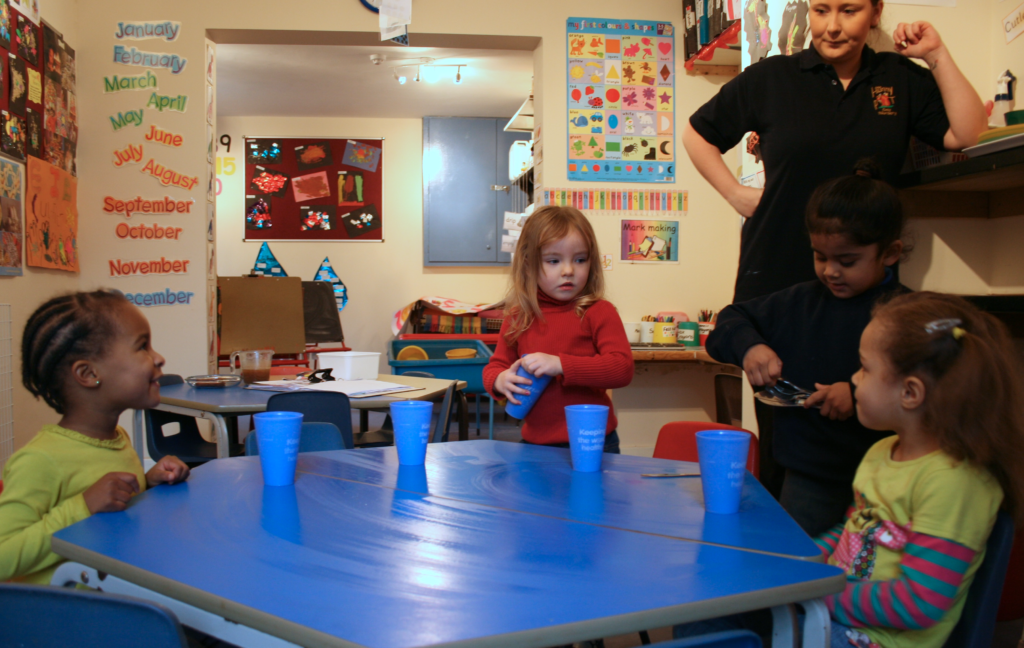
Nursery provides regular opportunities for children to communicate, make choices, develop relationships and practise everyday independence. Through play and familiar routines, children can gradually become more confident in managing new experiences.
In our Owls room, children are supported as they prepare for their next stage of learning while continuing to develop at their own pace.
To learn more about how Hunny Pot Nursery supports children as they prepare for school, book a nursery tour.